IT
IT 
Ductile Iron Parts provide significantly higher impact resistance than Gray Iron Parts due to their unique microstructure, which contains spherical graphite nodules instead of flake graphite. This structural difference allows ductile iron to absorb and dissipate energy more effectively under sudden or dynamic loading conditions. In practical terms, Ductile Iron Parts can exhibit 2–5 times higher impact strength compared to gray iron components, making them the preferred choice in heavy-duty and safety-critical applications such as automotive systems, pipelines, and industrial machinery.
From a procurement and engineering perspective, industries working with a ductile iron foundry or sourcing from ductile iron suppliers often select ductile iron over gray iron when impact, fatigue, and shock resistance are primary requirements. While gray iron remains cost-effective for static load applications, it is inherently brittle and prone to cracking under sudden stress.
Microstructural Differences Driving Performance
The key reason Ductile Iron Parts outperform Gray Iron Parts lies in graphite morphology. In gray iron, graphite exists in flake form, creating internal stress concentration points that propagate cracks easily under impact. In contrast, ductile iron—often referred to in cast iron ductile iron manufacturing—contains graphite in spherical nodules, which significantly reduce stress concentration.
This structural advantage allows ductile iron to deform slightly under stress rather than fracturing instantly. In controlled testing environments, ductile iron can achieve elongation values of 10%–20%, while gray iron typically remains below 1%, highlighting the dramatic difference in toughness.
Within a ductile iron foundry, controlling magnesium treatment and cooling rates ensures proper nodular graphite formation, directly influencing the final impact performance of the cast parts.
Impact Resistance Under Real-World Conditions
In real-world applications, Ductile Iron Parts demonstrate exceptional resistance to sudden shocks, vibrations, and mechanical impacts. For example, in automotive suspension components or heavy machinery housings, ductile iron can withstand repeated impact cycles without cracking, while gray iron often fails prematurely.
Field data shows that ductile iron components can survive impact energies of 60–100 Joules, depending on grade and treatment, whereas gray iron typically fails at 10–20 Joules. This makes ductile iron far more suitable for dynamic and high-stress environments.
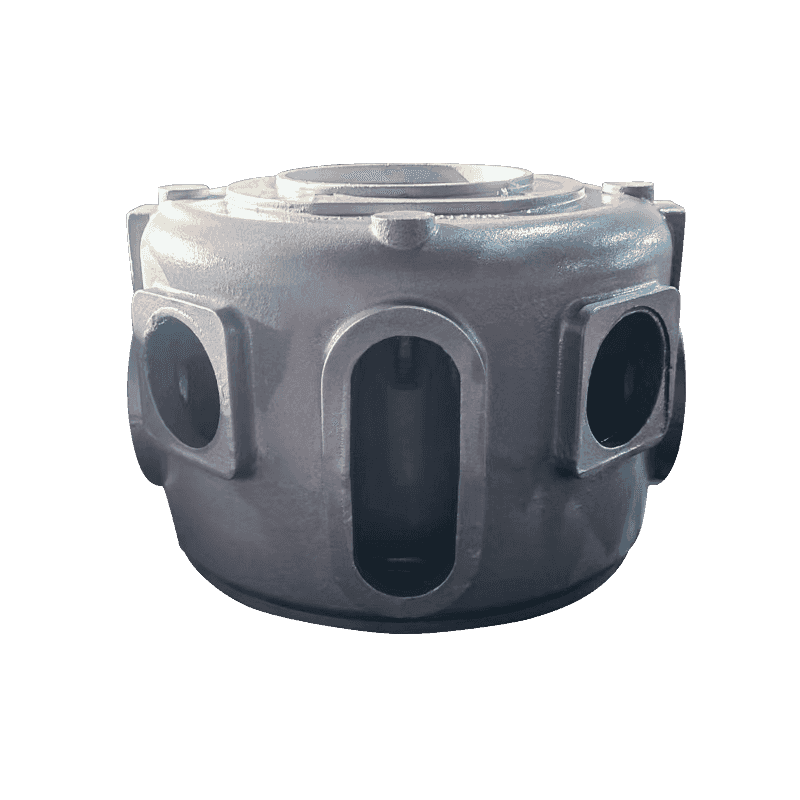
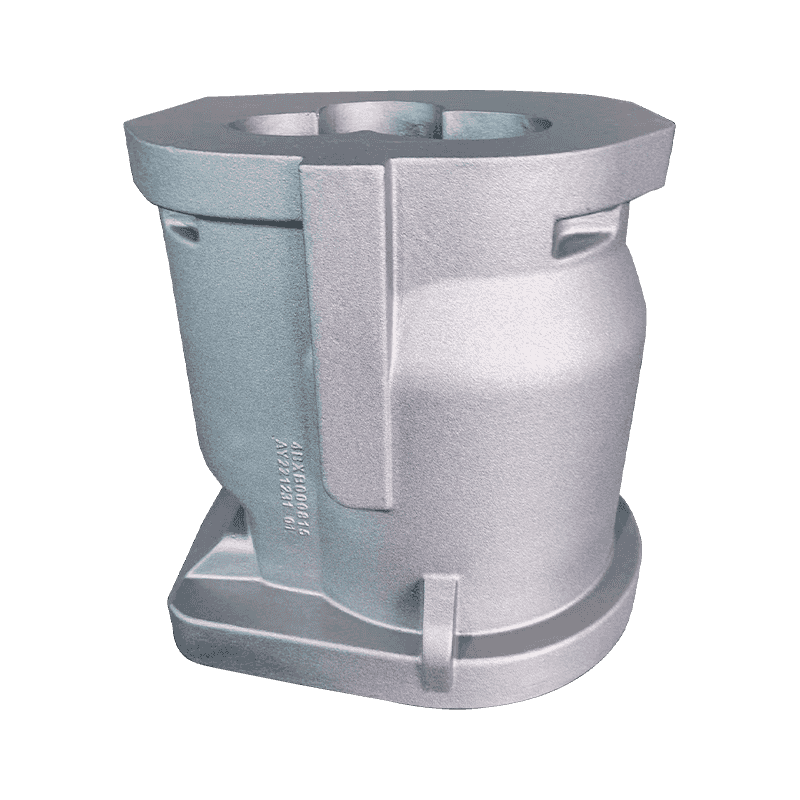
Industries relying on ductile iron suppliers often prioritize these mechanical advantages when designing infrastructure components such as valves, gears, and pump housings.
Comparison of Mechanical Properties
| Property | Ductile Iron Parts | Gray Iron Parts |
|---|---|---|
| Impact Strength | 60–100 J | 10–20 J |
| Elongation | 10%–20% | <1% |
| Fracture Behavior | Ductile deformation | Brittle fracture |
| Shock Resistance | High | Low |
Industrial Applications Benefiting from Ductile Iron
Ductile Iron Parts are widely used in industries where impact resistance is critical. These include automotive drivetrains, wind energy systems, mining equipment, and water infrastructure. The ability to withstand repeated shock loading makes ductile iron indispensable in such environments.
For example, manhole covers made from ductile iron are preferred over gray iron because they must endure repeated vehicle impacts without cracking. Similarly, pump housings and valve bodies produced in a cast iron ductile iron process benefit from long service life and reduced maintenance costs.
Many ductile iron suppliers highlight these advantages when providing solutions for municipal and industrial engineering projects.
Cost vs Performance Considerations
Although Ductile Iron Parts are generally more expensive to produce than Gray Iron Parts due to additional alloying and processing steps, the lifecycle cost is often lower. Their superior impact resistance reduces failure rates, downtime, and replacement frequency.
When sourced from a ductile iron foundry, the initial cost difference of approximately 10%–30% higher than gray iron is often offset by extended service life, which can be 2–3 times longer in demanding applications.
Therefore, decision-makers increasingly prioritize performance over initial cost when selecting between ductile iron and gray iron solutions.
Final Engineering Perspective
From an engineering standpoint, the superiority of Ductile Iron Parts in impact resistance is well established. Their nodular graphite structure, high elongation capacity, and superior energy absorption make them far more reliable under dynamic loading conditions than Gray Iron Parts.
As global industries continue to demand higher safety and durability standards, the role of ductile iron suppliers and advanced ductile iron foundry technologies will continue to grow. While gray iron still serves cost-sensitive static applications, ductile iron remains the dominant material for impact-critical engineering systems.